
Why Digital Nomadism Isn’t Just a Lifestyle Anymore

Why Digital Nomadism Isn’t Just a Lifestyle Anymore It’s a movement. A migration. A quiet revolution. Once seen as a fringe lifestyle for Instagram influencers and freelance copywriters, digital nomadism has become a serious, intentional way of life for high-skilled workers, tech founders, AI engineers, product managers, and creative professionals. And it’s not just about escaping winter or drinking coconuts on the beach. It’s about sovereignty — financial, creative, geographical. — Why People Are Leaving Let’s call it what it is: People are tired of the West’s noise. The political tension, the inflation, the surveillance, the performative workplace culture, the rent prices, the wars, the media fear loop. It’s overwhelming. Many people aren’t “running away” — they’re running toward something better. A different pace. A chance to own their day, to wake up with purpose and silence. To spend more time building and less time commuting, politicking, or doom-scrolling. Whether it’s relocating to Tbilisi, spending 6 months in Sri Lanka, or basing themselves in Bali’s startup hub — the pattern is clear: > The most talented people are no longer centralized. They’re distributed, agile, and global. — The New Nomad Class This isn’t a backpacker economy anymore. It’s ex-founders, agency owners, marketers, operators, and developers who are realizing they don’t need to play by the traditional rules. You’ll meet: A former PM from Berlin launching her second product in Lagos An AI engineer from Canada building client tools from Medellín A SaaS cofounder from Sydney managing a remote team from Sri Lanka A systems designer from Ukraine running paid cohort courses while traveling through Thailand These aren’t people avoiding work. They’re just doing it better — and with way less stress. — What’s Fueling the Shift? The rise of asynchronous workflows — Zoom fatigue is real. Async tools (Loom, Notion, Slack, Linear) allow deep work and flexibility. Startups can be built leaner than ever — One good designer, a backend dev, and an AI assistant can ship a product. Decentralized teams are now expected, not feared — Investors, partners, and clients don’t blink when teams are spread across continents. Living costs have spiked in the West — $4,000/month in rent for a 1-bedroom in SF vs. a villa in Ubud for $900 with meals included. Spirituality, health, and lifestyle matter — The gym, the ocean, the meditation center — they’ve become part of the founder’s toolkit. — But It’s Not All Paradise Let’s not pretend digital nomadism is without friction. Visas are inconsistent and sometimes a pain Healthcare access varies Time zones mess with meetings Loneliness creeps in if you don’t build community It’s hard to scale a team if you don’t have solid systems Nomadism demands intention. Structure. Self-leadership. Without it, you’re just floating — and floating doesn’t build anything. But for those who get it right? It unlocks the most potent combination in modern life: > Freedom + Focus + Flow. — Drifting Desk: Born From This Life We didn’t write this from an office in Manhattan. We wrote it in between sprints from Colombo, brainstorms on beach walks in Canggu, and product testing calls from a co-working hut in Dahab. Drifting Desk was built by nomads for a reason: We saw a gap: talented people had the skills to build, but not the infrastructure. We built the playbook: hire async, design MVPs fast, test with real users, don’t waste time. We created TeamHandle, a plug-and-play hiring solution, because we needed it ourselves. Now we help founders and operators do the same — without needing to uproot their lives or be in one timezone. We believe in products born from freedom — but backed by serious systems. — Want In? We’re not selling a dream. We’re sharing a way of working — and living — that’s real, raw, and powerful. If you’re: A builder on the move A creator done with the 9-5 hustle A founder tired of the “hustle porn” but still hungry to ship Someone with talent who wants freedom with fire Then you’re one of us. Join our Drifting Desk Discord Pitch your idea at our Startup Road Trip in Bali Or just follow the stories of a new breed of builder: the global nomad product team.
Where the Builders Are: Mapping the Rise of Remote Startup Hubs in 2025
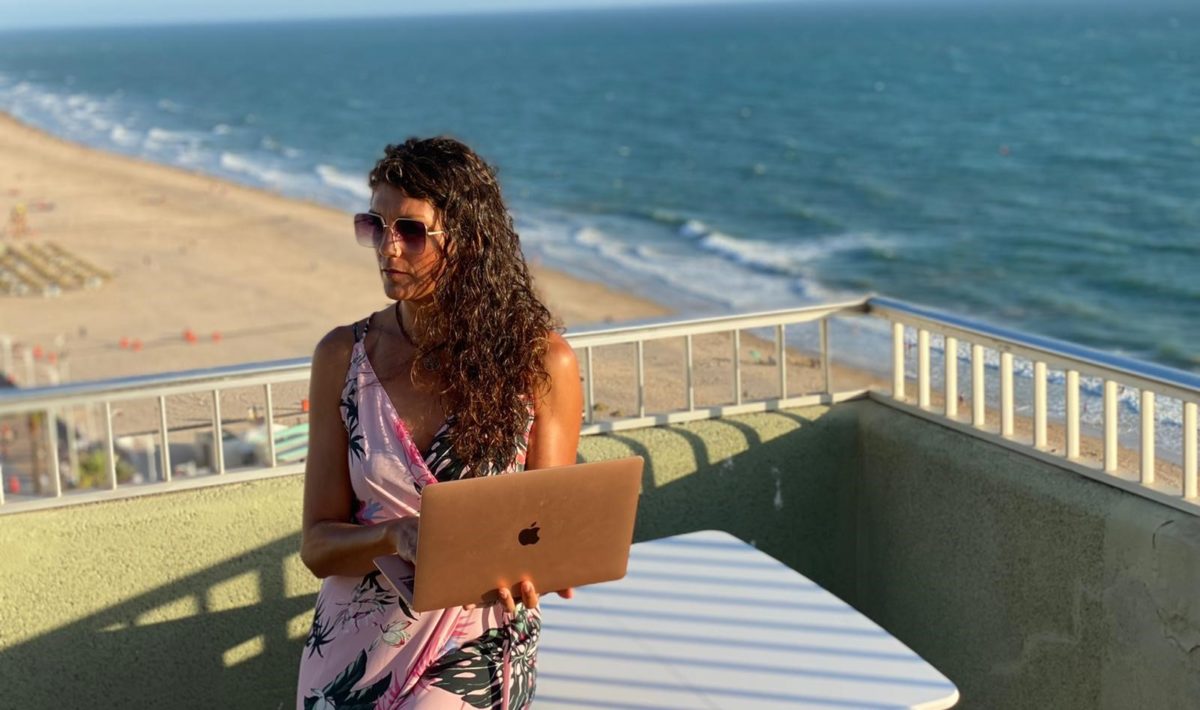
The startup scene is no longer bound to Silicon Valley. The best products are now coming out of small cafes in Canggu, desert co-working pods in Morocco, rooftop offices in Medellín, and high-speed trains between Istanbul and Sofia. In 2025, the question isn’t “Where are the VCs?” — it’s “Where are the builders?” And the answer? Everywhere. A Global Rebalancing For decades, building a startup meant being in a major city: San Francisco New York London Berlin Today, people are trading skyscrapers for surfboards, glass offices for jungle views — without losing ambition. Why? Because: Remote tech has matured AI has leveled the playing field Talent is borderless And frankly, people are burnt out by Western cost and chaos The New Builder Hubs (You Should Know About) 🏝️ Bali, Indonesia Who’s here: Startup bootstrappers, indie hackers, UI/UX designers, crypto bros, and spiritual founders Why: Affordable living, creative energy, endless networking in co-working spaces like Dojo and BWork Bonus: Close to the Aussie market and startup events in Singapore 🏜️ Dahab, Egypt Who’s here: Solo developers, freelancers, climate-conscious founders Why: Low cost, laid-back Red Sea vibe, amazing diving and unplug zones Underrated: The internet is solid. Communities are growing fast. 🏔️ Tbilisi, Georgia Who’s here: Tech founders from Ukraine, Russia, Turkey, and the EU escaping instability Why: Visa-free access for many, cheap housing, great food, surprisingly rich tech culture 🏖️ Colombo & Southern Sri Lanka Who’s here: Product teams, early-stage bootstrappers, design agencies Why: Big talent pool, culture of service, fast-growing tech ecosystem, and a chill beach-to-meeting ratio Drifting Desk was built here 🌆 Lagos, Nigeria Who’s here: Local founders, fintech builders, mobile-first startups Why: Explosive growth, underserved markets, incredible energy Reality check: Infrastructure challenges, but the payoff is massive 🌄 Medellín, Colombia Who’s here: Devs, agency owners, crypto startups, and US expats building MVPs Why: Fast Wi-Fi, low cost, a growing bilingual tech scene, year-round spring weather What’s Common Across These Places? No matter where they are, these hubs all share a few things: 🌐 Strong internet 💸 Low cost of living 🧠 Creative & entrepreneurial community 🛠️ Access to coworking spaces, accelerators, and service providers 🌍 A sense of global connection — but also off-grid quiet In short: they help people build better. With less bullshit. So What’s the Catch? Let’s be honest — relocating isn’t always easy. Time zones can destroy your calendar Visas are still bureaucratic (though improving) Local laws and tax policies vary It can be lonely if you don’t plug into the right community There’s still a learning curve to working globally But if you design your systems, use the right tools, and build a team that’s async-first, the benefits easily outweigh the hurdles. What It Means for Builders, Freelancers & Founders Whether you’re: Starting your first MVP Running a lean agency Or freelancing in AI, design, or dev… These hubs give you: Time Headspace Focus Creative support Lower burn rate Faster iterations That’s the true currency in startup life: runway and focus. Drifting Desk: Helping You Build From Anywhere At Drifting Desk, we don’t just work with clients in these places — we’re there ourselves. We’ve helped: A Middle East-based founder hire a remote dev team across Sri Lanka & Kenya A Bali-based solo operator launch a course with AI automations A US-based startup build and test a prototype with a distributed product team Our mindset is global. Our tools are async-first. Our network? Nomadic, but strong. Where Do You Want to Build From? It’s a wide world. You don’t need a San Francisco zip code to ship something legendary. You just need: The right people The right tools The right environment And maybe a little guidance along the way. We’re building a global tribe of makers, operators, and misfits. If that sounds like you… 👉 Join the Drifting Desk Discord 👉 Pitch us during the Startup Road Trip in Bali
Minimum Viable Product a.k.a. MVP – A Modern Solution For Modern Entrepreneurs
You must have noticed, just a few days before the grand premiere of a movie, how a trailer is always released. No matter how the movie is, the trailer does give an abundant idea about the concept of this movie. And judging from the audience’s response, the producers and investors can almost predict the film’s future! MVP i.e. Minimum Viable Product is, more or less, the main trailer of a Startup’s journey toward success! A petrifying statistics: According to a recent study by IBM, almost 70-90% of start-ups fail within two years of initiation. And 70% of those who outlast the first two years, go out of business in the next five. This statistic is scarier if you are an investor who funds millions of dollars in concepts and ideas. In 2001, Frank Robinson first introduced the concept of MVP, where an investor doesn’t have to put in shedloads of money before his ROI is assured. Instead, he can proceed scientifically, experimenting with a smaller amount and recognizing the salability and scalability of the product and, simultaneously the potential of the business. And with this concept, the entrepreneur benefits equally as well. Not only do they improve their product quality, but also understand the shortfalls of the product from practical feedback. This widens the scope limitlessly as this enables a window of almost flawless anticipation of the future. So, is it like a Prototype of the product? Although it sounds like a prototype, there is a prime difference between them. The prototype demonstrates the core concept of the actual product. It gives you the what and how of the product. An MVP is the next step where you develop a Beta version of the product to test its potential before investing a large chunk of time and money. So, a Prototype can be called a pre-MVP and an MVP is the best form of the embryonic product. How did it become an entrepreneur’s messiah? The world is full of problems and it’s the duty of an entrepreneur to fix them! Whether you are sitting in a park or taking a bath in your bathtub like Einstein, it all starts with a “Eureka!”. It marks a phenomenal moment when you finally identify a viable solution to a prevailing problem that had been detained in your head for ages and all of a sudden you feel butterflies inside your stomach! You finally believe that you might make it to the League of Big Bickies if you execute your idea well. But just like Joey’s career cannot exist without Chandler, your project cannot turn into reality without sufficient Capital! And suddenly, the urgent need for seed funding overflows your mind. The only possible solution your brain figures out is to find an investor who will be able to see the vision you have. But the problem is, that an investor will always have to consider the ROI before investing anything. And what’s more assuring than a test drive before finally putting money on the table? That’s where an MVP becomes a Good Samaritan because once you build an august MVP that displays some impressive stats in the market, the investors will themselves seek to fund your product! However, since you are not developing a doughnut, your MVP might require a notable investment in itself! That’s where the majority of our young entrepreneur gets stuck, figuring out an efficacious strategy to keep the wheel rolling. Conclusion: MVP has gradually become the backbone of every modern startup because of its effectiveness and usefulness for both parties (investor and entrepreneur). Not only does it unmasks the hidden potential of the startup as well as the entrepreneur, but also it exposes the inadequacy. Hence, building a perfect MVP becomes as requisite as eating spinach for Popeye! Only when you ace the MVP, will you be able to actualize your vision and live the life you always dreamed of!
Perks of hiring a PPC campaign manager
In the never-ending battle of online marketing, search engine optimisation (SEO) and Pay per Click (PPC) are always been used to take down competitors. Today I am going to discuss the perks of hiring a PPC campaign manager. The experts will help you with keyword research.This is a crucial yet tedious part of PPC marketing. It’s what gobbles up most of PPC marketer’s time. If you pick the wrong keywords, your funds will be exhausted without delivering you any tangible result. There are free to use keyword search tools, but the good ones are usually paid for. Track with the right tools and setupAny good PPC campaign should be able to track where its traffic is emanating from. It helps you understand which keywords and placements bring in most conversions. To install a tracking code, you will need to have some technical skills (based on the platform your website is built on). This is something which most people don’t know much about therefore making it essential to hire an expert. Campaign settings can be confusingTo optimise your exposure, you will need to tweak your settings in a certain manner. For example, geographic settings can help you target localised regions of a country. There are other filters which can help you target certain demographics, interests, search patterns, retargeting etc… Finding the right campaign setup can help you save you time and money. They help create a perfect landing page and ad copyRelevance is crucial in the world of PPC marketing. You can minimise your expenditure on ads by improving the relevance of your landing pages. Hiring an expert can help you create the best landing pages, ad copies and can also test their functionality. ConclusionPPC marketing is never easy and unless you have the necessary experience and expertise. It’s okay to setup your campaign and run things on your own. But, it’s always best to look for help if you’re unsure about the process. As a professional campaign manager, I have the expertise to help you get better returns out of your PPC campaign. Drop me a line if you need any help to navigate the tricky waters. My first consultation is always free