Building the Kavemen ERP: How I Used AI to Orchestrate My Own Bespoke E-Commerce System
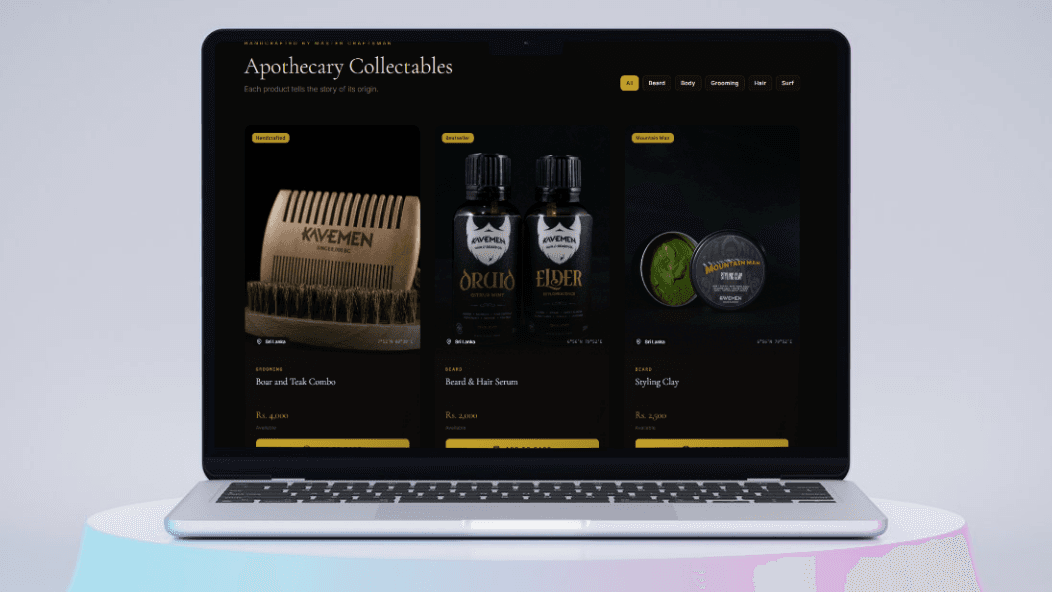
For the past 9 years, my RnD hobby business, Kavemen, has been my creative escape. I work in tech, but Kavemen is where I switch into art. What started in a shoe box has evolved into my own small lab where I make perfumes, cosmetics, and run research projects like reef-safe surfboard waxes.
My business model isn't your typical e-commerce. It is small-batch and highly nomadic. I travel the world picking up ingredients. I do custom orders, taking two years to perfect a surfboard wax recipe just because my interest was piqued. I travel to coasts for seasonal pop-ups, selling directly to customers and making perfumes on the spot. Then there is the local network of followers who buy from my limited drops two or three times a year, plus resellers, white-label requests, and research commissions.
Keeping track of it all was a nightmare. I love the artistic side, but the logistics were eating my time. After multiple website iterations - WordPress, Shopify, back to WordPress - I realized off-the-shelf solutions just were not enough.
The Realization: AI Needs a Product Owner
Last year, I rode the AI wave, providing solutions for clients through my extended dev teams. But when I came back home, I decided to build a custom solution for Kavemen myself. I realized the way forward is not just asking AI to code; it is managing AI agents. You need Product Owner knowledge to orchestrate the build.
My goal: build a small-scale ERP and central stock system. It needed to handle ingredients I buy, a batch model for selling, a waitlist and notification system for limited drops, a pledge system for pre-orders, a booking system for my workshops, and a CMS.
Oh, and the golden rule: no monthly subscriptions for additional services. Just my server.
The Stack and the Setup
After experimenting with Claude, Gemini, Antigravity, Cursor, and some incredible Chinese AI models like Zai and Kimi, I landed on my core stack:
- Frontend: Next.js
- CMS and Automations: Directus (an absolute winner for ease of use)
- E-Commerce and ERP: Vendure (I tried Medusa, but set a strict rule: no more than a day spent stuck on a big issue. Vendure fit my environment better.)
- Hosting: VPS managed with Coolify and Cyberpanel. (I am a visual person, not a developer, so minimizing terminal management was key.)
Designing "Tactile Noir"
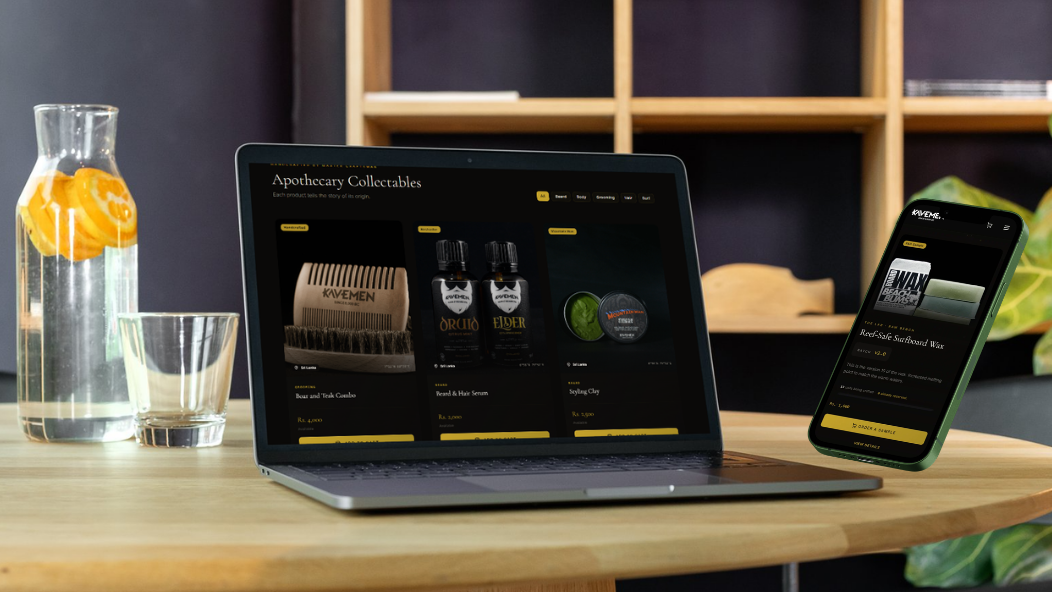
The design phase is where things got really exciting. I used Stitch in beta, feeding it context I had built up with Gemini about my brand's limited drops and aesthetic. We narrowed the concept down to a term: Tactile Noir.
I took that concept and tested it across other AI models. Zai and Kimi generated great, but slightly different, interpretations. Just like presenting different concepts to a client, I took bits and pieces from each to build the final UI. Zai ended up building the whole frontend with pages, which I pushed into a GitHub repo.
Managing AI Like a Dev Team
To keep this large project organized, I set it up like a real agency build. I had separate repos and Coolify apps to manage. I used Antigravity for backend work and Cursor for frontend work, running parallel IDE instances. It genuinely felt like I was managing two developers.
When the agents started getting bloated with context, I plugged in Jira. I got Cursor to write tickets, move them to review, and write stories in an OKR fashion. Every sprint started with a single problem ticket broken down into FE, BE, and Ops tasks.
This was a game-changer. Instead of just blindly coding for hours, I had measurable outcomes. Some days I would tell myself, "No thinking today, just pushing tickets to review." Other days were dedicated strictly to Ops or writing bugs. My goal was to practice delivering a project methodically, and it worked.
Under the Hood: Directus Flow
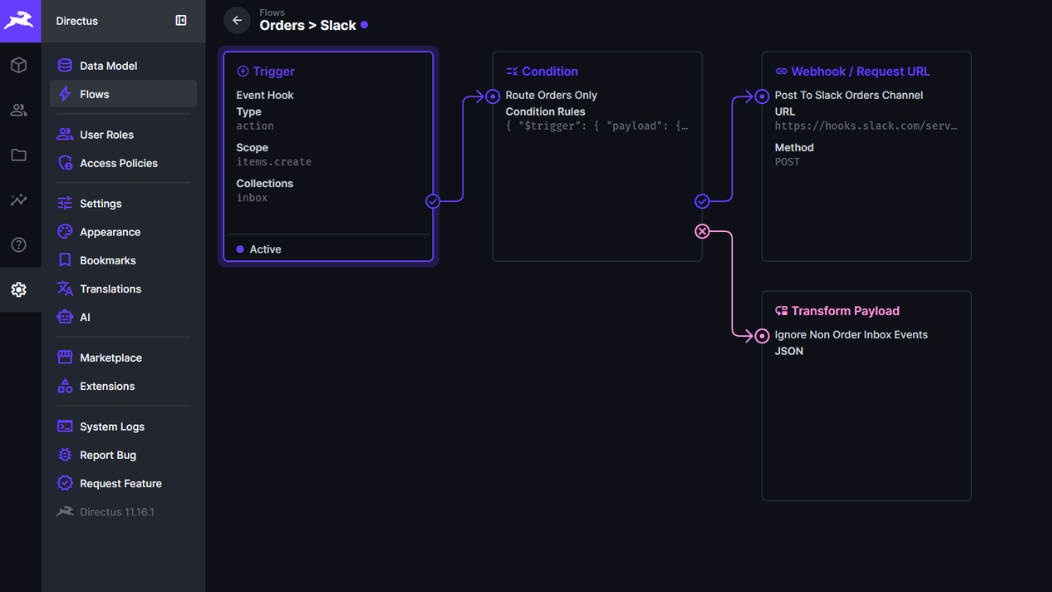
For e-commerce, you need abandoned cart recovery, restock notifications, review requests, and reward systems. WordPress requires a bloated mess of plugins for this. Shopify requires paid tiers like Klaviyo.
Enter Directus Flow.
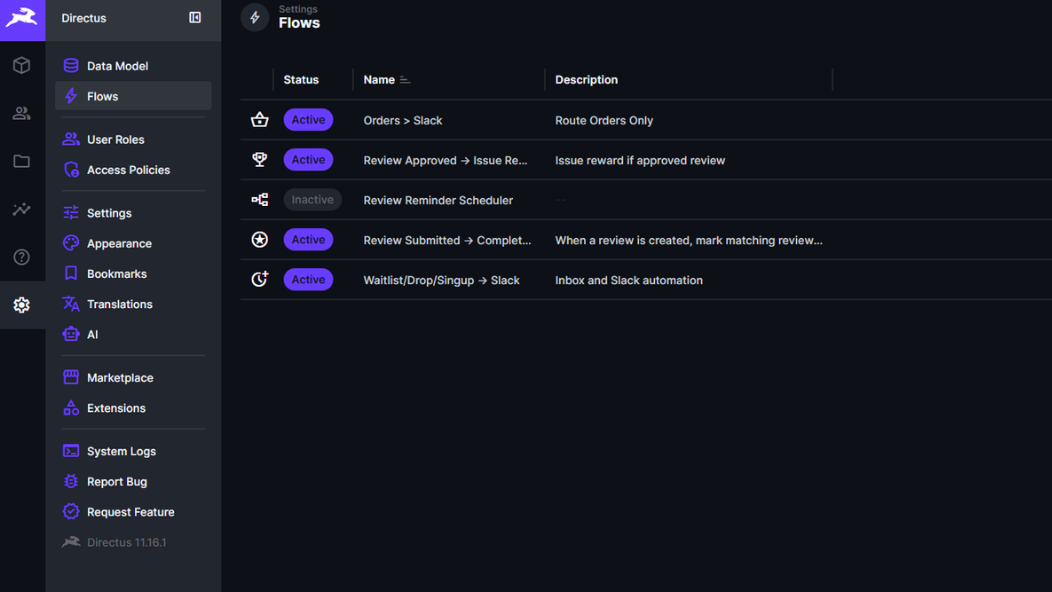
It is brilliant. All the automations are customized in one place. I configured:
- Customer email automations.
- Review requests (with up to two reminders).
- Automated coupon generation in Vendure when a user leaves a review, sent directly via custom-designed emails that perfectly match my website branding.
- Out-of-stock and limited drop notifications.
Best of all, I connected everything to Slack. I am tired of combing through my email spam to see orders. Now, my entire business logistics flow neatly into my Slack channels.
The Takeaway
I originally planned to finish this in a month. It took a little over two months with personal commitments and some intentional scope creep. But I built a robust, systematic product.
For those who say, "AI can just build a website or an app with a prompt," I say: stop. Not everyone with a camera is a photographer, and not everyone with Photoshop is an artist. There is still a ton of work that needs to be done under the hood. AI did not take over the job; it just made things better so you can build quality products faster - if you know how to get from Point A to Point B.
Now, I am working on new prototypes, accepting orders, and getting ready to drop my first batch of perfumes through the new system. I am just orchestrating the tools and enjoying my balance of art and tech. Cheers!